73 Strings forTechnology & Operations
Stop stitching systems together.
Whether you have a dedicated CTO, a COO, or someone managing technology alongside other responsibilities, someone at your firm is responsible for your tech stack. 73 Strings brings data, monitoring, and valuation into one system, so you don’t have to manage separate platforms or the integrations needed to connect them.

Trusted by the world's leading alternative asset managers



The Team's Reality
Build your firm's future
with 73 Strings.
The mandate is strategic: automate what can be automated, build resilience, and use AI where it delivers real value. But the daily reality is more tactical: reconciling disconnected systems, resolving conflicting numbers, and managing cap tables in spreadsheets. The result? Less time for better, faster decisions.
From patchwork to platform.

Connect
Plugging into the stack you already have
Replacing your existing tools isn’t realistic, and it shouldn’t be necessary. 73 Strings connects with your fund administration systems, BI tools, and data sources, while the MCP Connector lets you connect your own LLMs and AI tools. It works with your existing technology stack rather than requiring you to rebuild it around a new platform.

Automate
Replacing the spreadsheet that's holding everything together
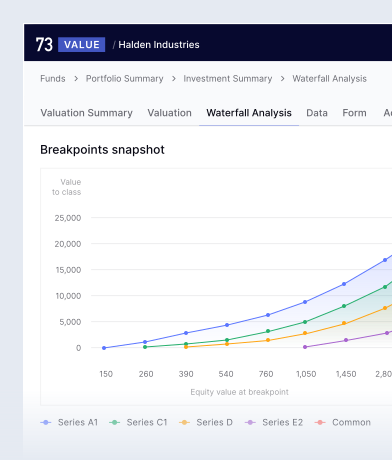
Cap tables and waterfall calculations shouldn’t depend on spreadsheets that are difficult to maintain or update. 73 Value automates waterfall analysis, DCF, and comps, with model rollover that updates in minutes instead of rebuilding models from scratch.

Govern
Built-in access, security, and audit trail
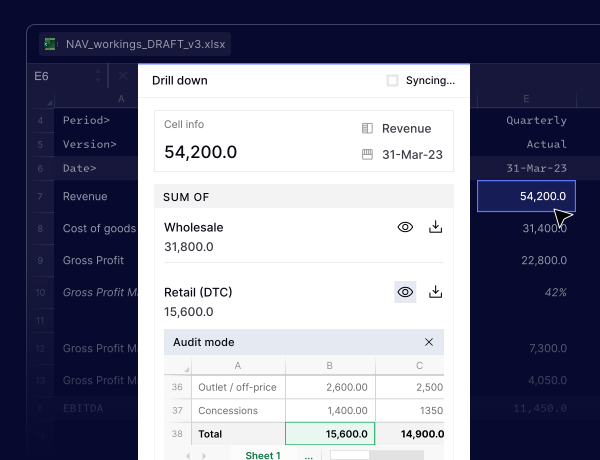
Role-based access and a complete audit trail should be built in from the start, not added later. 73 Strings runs on SOC 1 and SOC 2 certified infrastructure, so governance and security are built into the platform rather than becoming another project for your team to manage.

Scale
One system of record
Your portfolio can grow without adding more complexity to your technology stack. 73 Strings brings data extraction, portfolio monitoring, and valuation together in one connected platform, so you can scale without adding more systems, integrations, or manual work.

Report
Stakeholder reporting
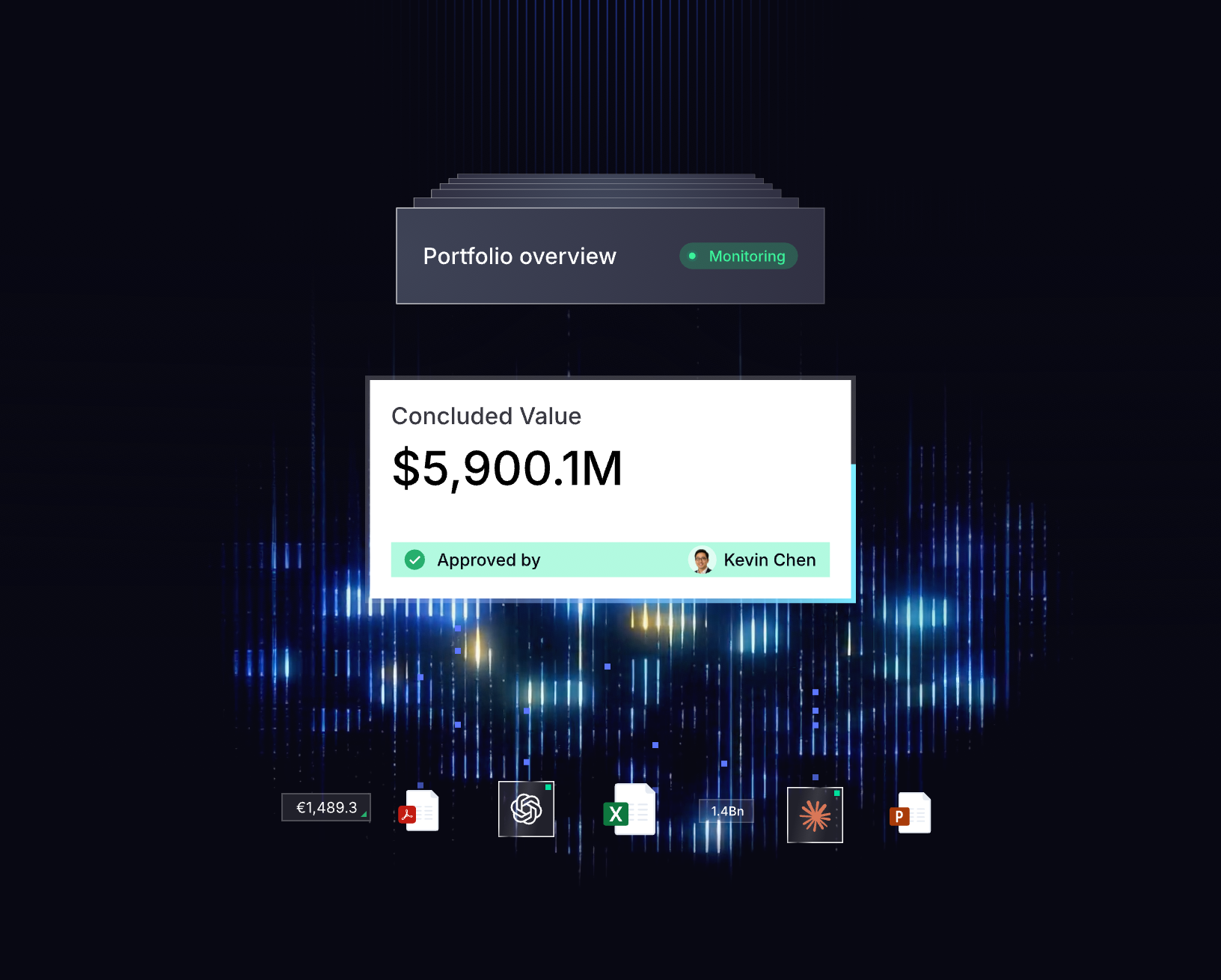
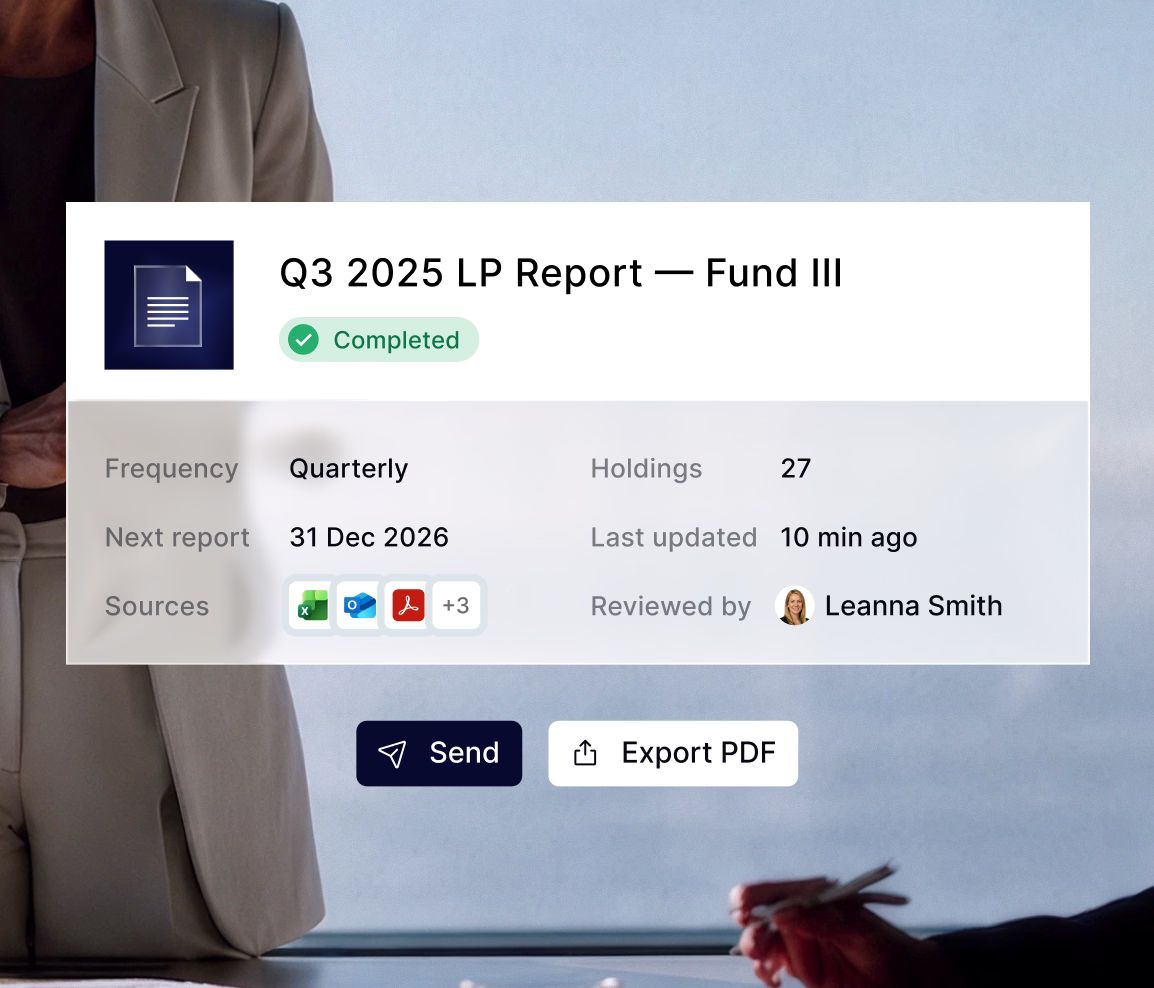
Generate audit-ready reports for LPs, boards, and regulators without rebuilding them every quarter. 73 Monitor automates reporting at the frequency your stakeholders need, with every output fully traceable back to the underlying source data.
73 Strings has helped us digitalize and optimize our entire valuation process with a state-of-the-art, new generation solution that has delivered significant ROI across our entire operations, from valuation and compliance, to finance and controlling, and with our investment teams.
FAQ
Objections, answered.
73 Strings connects with your fund admin systems, BI tools, and data sources, and links to your own LLM or AI tools through the MCP Connector. You're extending your stack, not replacing it wholesale. You can see the full list of integrations here.
Yes. Structured data and API access mean your team, whether that's a data scientist, an internal tool, or your own AI workflows, can work directly with the underlying data, not just the dashboards built on top of it.
SOC 1 and SOC 2 certified infrastructure, role-based access controls, and a full audit trail from source data to output. Security isn't a separate module, it's built into the platform from day one.
73 Strings is designed to sit alongside your existing tools during rollout, not force a hard cutover. Implementation timelines vary by scope, but you're not choosing between running your current process and adopting a new one.
Historical data can be brought into the platform and structured alongside new inputs, so your track record and past valuations aren't orphaned in a system you're trying to move away from.